
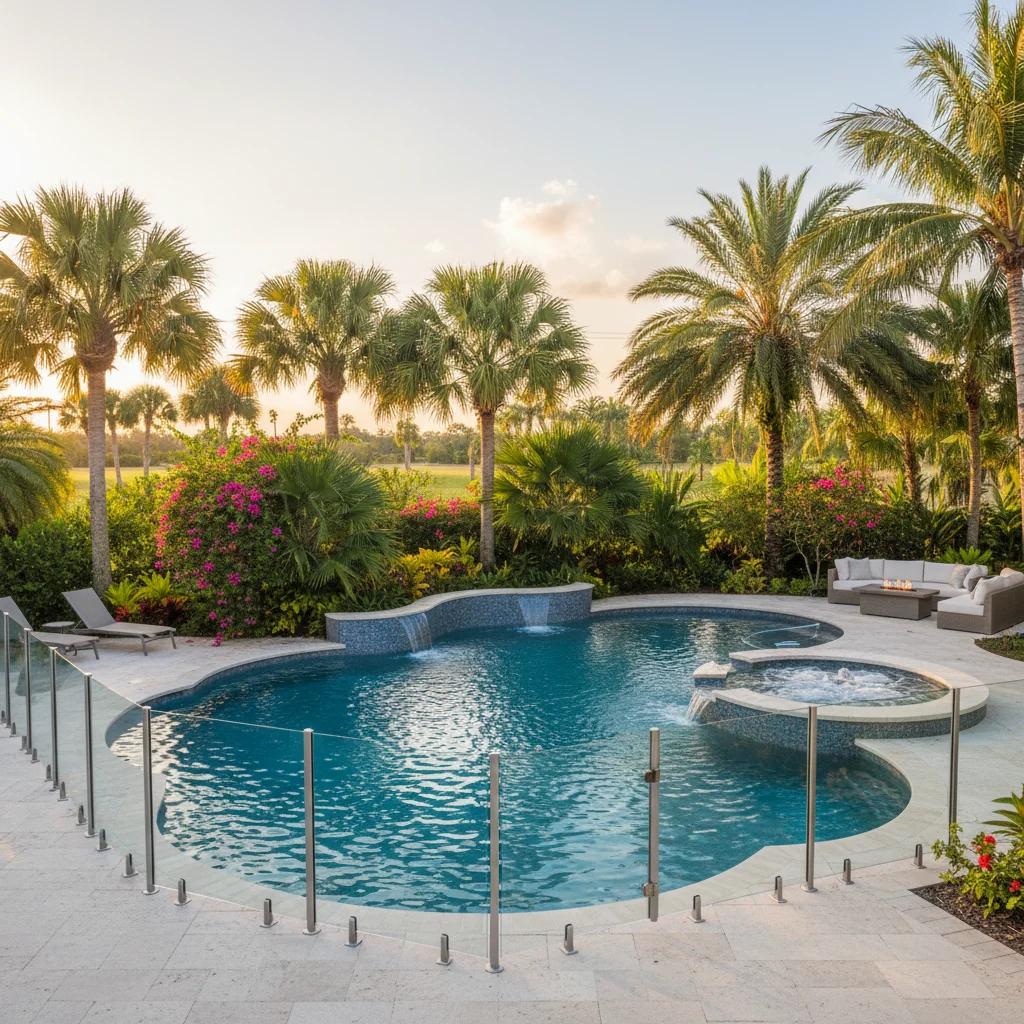

What Are the Pool Fence Requirements in Florida for 2026? – Expert Answer for Central Florida
Pool fence requirements in Florida for 2026 mandate at least a 4-foot high barrier around pools in Central Florida to prevent unauthorized access. Local regulations vary by county and city, with Orange and Osceola counties enforcing strict permit and safety standards. Call (407) 707-6662 for expert guidance.
In This Article
- What are the Florida pool fence regulations for 2026?
- What are the key pool fence requirements?
- What are the local market insights for pool fences in Central Florida?
- What are the expert tips for pool fence compliance?
- Frequently Asked Questions
- What are the helpful resources and links for pool fence requirements?
What are the Florida pool fence regulations for 2026?
Florida’s pool fence requirements are designed to enhance safety and reduce accidental drowning incidents, especially for young children. In 2026, the Florida Building Code continues to enforce strict regulations around fencing and barriers for residential pools, spas, and hot tubs. Central Florida homeowners must comply with these rules, which include a minimum 4-foot high barrier around the pool perimeter.
Permits are required before installing new fences or modifying existing ones, and these permits vary depending on the county or municipality. For example, Orange County and Osceola County have specific permitting processes and inspection requirements that homeowners must follow to ensure compliance. These regulations often intersect with local HOA rules, especially in master-planned communities like Celebration and Lake Nona.
Landscaping, lot size, and soil type in Central Florida also influence fence design and installation, due to sandy soil and a high water table impacting fence footing. Additionally, hurricane season necessitates durable fencing materials to withstand storms.
For personalized advice, consult a custom pool builder in Central Florida who understands both state and local regulations.
What are the key pool fence requirements?
- Height: Minimum 4 feet above ground level around the entire pool area.
- Gate: Self-closing and self-latching gates that open outward, away from the pool.
- Material: Durable, weather-resistant materials compliant with Florida Building Code.
- Spacing: No gaps larger than 4 inches between fence components to prevent child access.
- Permitting: Required for installation or modification; varies by county (Orange, Osceola, Seminole, etc.).
- Additional Barriers: Pool alarms or safety covers may supplement fencing, but not replace it.
What are the local market insights for pool fences in Central Florida?
Central Florida’s unique housing market includes diverse communities like Windermere, Kissimmee, and St. Cloud, where lot sizes typically range from 7,000 to 12,000 square feet. Older neighborhoods built before 2000 may have outdated fencing not compliant with 2026 standards, requiring updates during pool renovations or sales.
Population growth in Orange and Osceola counties has increased new pool construction, leading local building departments to tighten permit oversight. Permits in Orange County often require detailed site plans showing fence placement, while Osceola County emphasizes adherence to hurricane-resistant standards.
Homeowners in master-planned communities like Celebration face HOA restrictions on fence style and color, which must be balanced with code compliance. Consulting local experts experienced in pool construction in Orange County or Osceola County ensures a smooth permitting process.
What are the expert tips for pool fence compliance?
- Always verify local county or city permit requirements before fence installation.
- Choose corrosion-resistant materials suitable for Florida’s humid climate and hurricane risk.
- Consider fence designs that blend with landscaping while meeting safety spacing rules.
- Ensure gates have reliable self-closing and latching mechanisms checked regularly.
- Schedule inspections promptly to avoid delays in pool use or resale.
- Work with a custom pool builder in Orlando or Saint Cloud who specializes in local codes.
Frequently Asked Questions
The minimum height for pool fences in Florida remains 4 feet above ground level as mandated by the Florida Building Code for 2026. This height helps prevent young children from climbing over and accessing the pool unsupervised.
Yes, permits are required in Central Florida counties like Orange and Osceola before installing or modifying pool fences. Permit requirements vary, so check with your local building department to ensure compliance and avoid fines.
Gates must be self-closing and self-latching, opening outward away from the pool, to prevent accidental access by children. Latches should be installed at a height out of reach of young children for added safety.
HOA rules in master-planned communities like Celebration may restrict fence styles, colors, and materials. Homeowners must balance HOA guidelines with mandatory safety codes, often requiring approval from HOA boards before installation.
Have Questions About Your Pool Project?
Aqua Custom Pools helps homeowners throughout Central Florida. Schedule a free 3D design consultation or call (407) 707-6662.
Aqua Custom Pools & Spas · Last updated: May 12, 2026